



AI-powered fibre sensing detects idler faults in mine conveyors

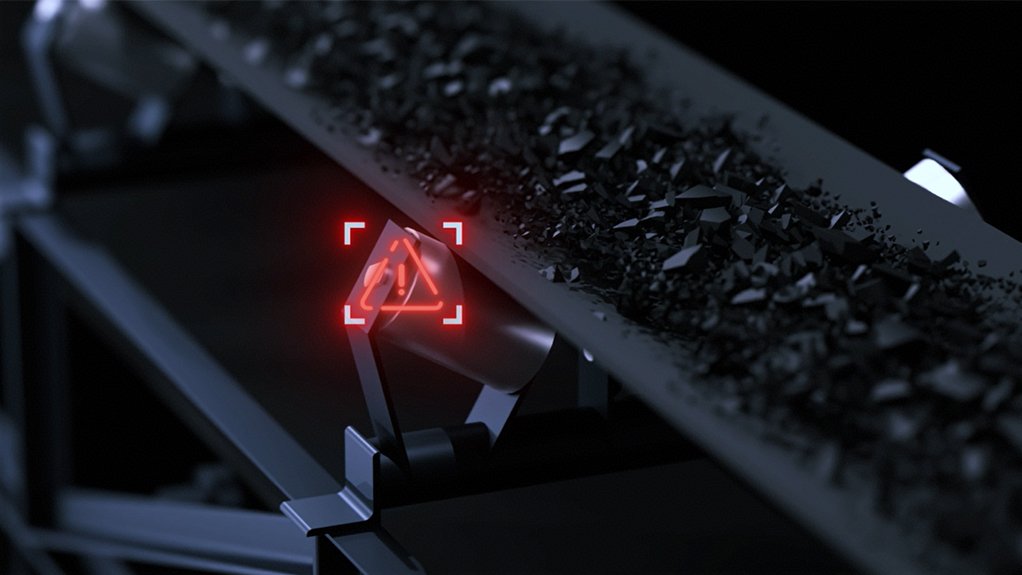
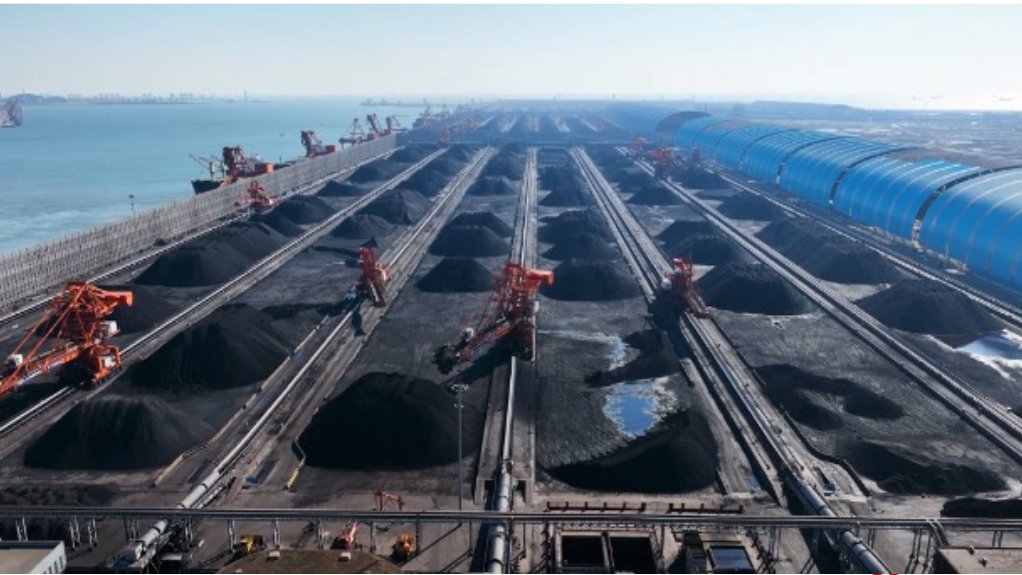

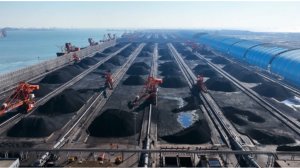


On mining industrial production lines, conveyor belt systems serve as the arteries of material transportation, and idlers are the critical joints that keep those arteries running smoothly. Any abnormal sounds are warning signs from failing idlers — not ordinary noise, but an early distress signal from equipment on the brink of breakdown.
Traditional approaches to idler fault detection rely heavily on manual audio inspections, placing excessive demands on personnel experience while suffering from low efficiency and incomplete coverage. This has left enormous safety hazards in production environments. There is an urgent need for new technology capable of perceiving equipment health status comprehensively — across all times, all areas, and all dimensions.
The Answer Lies in a Beam of Light
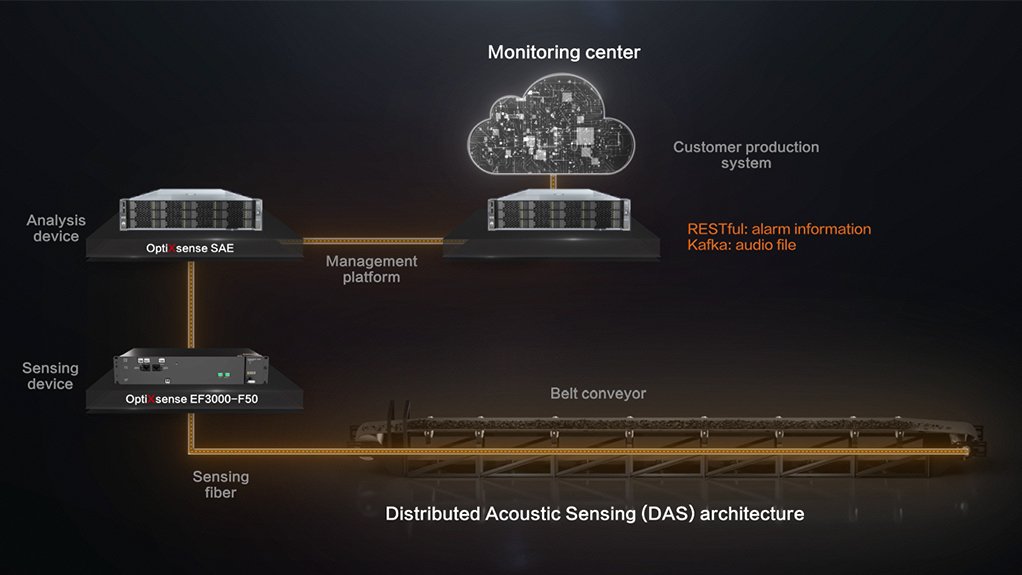
Distributed Acoustic Sensing (DAS) technology opens a completely new dimension of perception — like installing an extremely sensitive auditory nerve along the entire conveyor belt system. Every point along the fibre acts as a sensor. Without the need for individual power supply or wiring at each monitoring point, this technology enables dense sensing networks spanning tens of kilometers, achieving truly comprehensive coverage.
Fibre, being essentially glass, offers corrosion resistance, immunity to electromagnetic interference, inherent safety, and requires no on-site power supply. This makes it particularly suitable for harsh mining environments.
Huawei's AI-Powered Innovation
However, the distributed fibre optic sensing industry has long struggled with bottlenecks including high false alarm rates, difficulties in intelligent identification, and poor environmental adaptability. Global information and communications technology and infrastructure provider Huawei's AI-powered fibre sensing technology was born specifically to address these pain points.
Huawei leverages decades of technological accumulation in optical communications and applies it to sensing. By adopting a proprietary low-noise coherent optical receiver system and high-performance optical Digital Signal Processing algorithms, the signal sampling rate reaches 99.9%, ensuring ultra-high stability and consistency of signal acquisition from the source — laying a solid foundation for precise analysis.
Through proprietary acoustic fingerprint AI algorithms, the system extracts characteristic vectors from sounds — such as frequency distribution and temporal variations. Using deep learning models, machines can distinguish between normal equipment operation and abnormal idler faults with remarkable accuracy.
Moreover, through bone conduction high-fidelity sound restoration technology, high-precision vibration and acoustic data perception, a unique audio noise reduction and enhancement algorithm, high-fidelity restoration of on-site abnormal sounds, and support for remote secondary verification of faults by users. This truly realises remote auscultation and significantly improves the efficiency of fault handling.
Quantifiable Business Value
Implementing Huawei's Fibre Sensing Idler Fault Detection solution delivers not merely a tool upgrade, but fundamental transformation of maintenance operations. The benefits are threefold: first, 24/7 uninterrupted automated inspection replaces or assists manual entry into hazardous zones, greatly enhancing personnel safety; second, shifting from scheduled maintenance and emergency repairs to predictive maintenance avoids both over-maintenance and unexpected downtime; and third, maximising reduction of unplanned downtime ensures production continuity while precision maintenance extends overall equipment lifespan.
This is not merely a technological triumph, but a concrete step toward industrial intelligence — using certainty to address the uncertainties of production. Conveyor belt auscultation is merely the tip of the iceberg of fibre sensing's powerful capabilities. This fibre that can hear sound is becoming a super-sense organ for safeguarding critical infrastructure, applicable to more scenarios requiring fault sound detection.
Article Enquiry
Email Article
Save Article
Feedback
To advertise email advertising@creamermedia.co.za or click here
Research Reports

Projects


Latest Multimedia

Latest News
Showroom

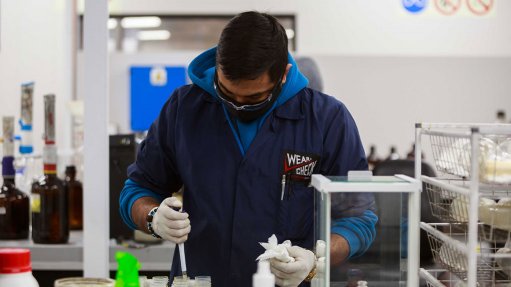
Leading condition monitoring specialists, WearCheck, help boost machinery lifespan and reduce catastrophic component failure through the scientific...
VISIT SHOWROOM



Press Office
Announcements
What's On
Subscribe to improve your user experience...
Option 1 (equivalent of R125 a month):
Receive a weekly copy of Creamer Media's Engineering News & Mining Weekly magazine
(print copy for those in South Africa and e-magazine for those outside of South Africa)
Receive daily email newsletters
Access to full search results
Access archive of magazine back copies
Access to Projects in Progress
Access to ONE Research Report of your choice in PDF format
Option 2 (equivalent of R375 a month):
All benefits from Option 1
PLUS
Access to Creamer Media's Research Channel Africa for ALL Research Reports, in PDF format, on various industrial and mining sectors
including Electricity; Water; Energy Transition; Hydrogen; Roads, Rail and Ports; Coal; Gold; Platinum; Battery Metals; etc.
Already a subscriber?
Forgotten your password?
Receive weekly copy of Creamer Media's Engineering News & Mining Weekly magazine (print copy for those in South Africa and e-magazine for those outside of South Africa)
➕
Recieve daily email newsletters
➕
Access to full search results
➕
Access archive of magazine back copies
➕
Access to Projects in Progress
➕
Access to ONE Research Report of your choice in PDF format
RESEARCH CHANNEL AFRICA
R4500 (equivalent of R375 a month)
SUBSCRIBEAll benefits from Option 1
➕
Access to Creamer Media's Research Channel Africa for ALL Research Reports on various industrial and mining sectors, in PDF format, including on:
Electricity
➕
Water
➕
Energy Transition
➕
Hydrogen
➕
Roads, Rail and Ports
➕
Coal
➕
Gold
➕
Platinum
➕
Battery Metals
➕
etc.
Receive all benefits from Option 1 or Option 2 delivered to numerous people at your company
➕
Multiple User names and Passwords for simultaneous log-ins
➕
Intranet integration access to all in your organisation
